The Rise of AI Wearables in 2026
As we progress into 2026, the concept of AI wearables continues to evolve, becoming an integral part of daily life. These innovative devices, equipped with artificial intelligence, are transforming everything from healthcare to productivity. With enhanced capabilities and sophisticated algorithms, AI wearables are making it easier for individuals to monitor their wellbeing, streamline tasks, and enhance overall quality of life. In particular, when exploring options, AI wearables have established themselves as essential gadgets that integrate seamlessly into users’ routines, providing personalized experiences based on real-time data and analytics.
What Are AI Wearables and Their Types?
AI wearables are devices that utilize artificial intelligence to gather, analyze, and act upon data for various applications. These devices can range from smartwatches and fitness trackers to smart jewelry and specialized health monitoring gadgets. The key distinguishing factor is their ability to adapt their functionality based on user activity and preferences, making them more than just passive tools.
- Smartwatches: Devices like the Apple Watch or Samsung Galaxy Watch that offer health monitoring, notifications, and various apps.
- Fitness Trackers: Wearable devices such as Fitbit or Garmin that focus on physical activity, heart rate monitoring, and sleep tracking.
- Health Monitoring Devices: Gadgets like continuous glucose monitors or ECG monitors specifically designed for tracking health metrics.
- Smart Jewelry: Fashionable wearables that incorporate technology for health tracking or notifications.
- Smart Glasses: Wearable tech like augmented reality glasses that provide hands-free interaction and immersive experiences.
Key Features That Define AI Wearables
Several features are critical to the functionality and appeal of AI wearables:
- Real-Time Data Tracking: Continuous monitoring of various metrics such as heart rate, steps taken, and sleep quality.
- Adaptive Learning: AI algorithms that learn from user behavior to provide personalized recommendations and insights.
- Integration with Mobile Devices: Seamless connectivity with smartphones, providing notifications and updates directly to the wearable.
- Long Battery Life: Advanced battery technologies that allow wearables to function for extended periods without frequent charging.
- Sleek Design: Aesthetically pleasing designs that ensure wearables are fashionable as well as functional.
Growth Trends in AI Wearable Technology
The market for AI wearables is expanding rapidly. According to industry reports, the global wearable technology market size is expected to grow significantly, driven by advancements in AI and IoT. Key trends include:
- Healthcare Integration: AI wearables are increasingly being used for remote patient monitoring and chronic disease management.
- Workplace Productivity: Companies are adopting AI wearables to enhance employee efficiency and monitor health metrics.
- Fitness and Wellness Focus: Growing awareness of health and wellness is driving demand for fitness-based wearables among consumers.
- Sustainability in Design: Manufacturers are turning to eco-friendly materials and practices in the production of wearable devices.
Health Monitoring with AI Wearables
How AI Wearables Track Health Metrics
AI wearables have revolutionized health monitoring by allowing users to track various health metrics accurately. These devices collect data through sensors that measure heart rate, activity levels, sleep patterns, and even stress levels. By integrating AI algorithms, these wearables provide insights that help users understand their health better. For instance, devices can analyze your sleeping patterns and recommend adjustments to improve sleep quality.
Case Studies: Success Stories in Healthcare
Many healthcare providers are implementing AI wearables in patient care. A notable example is the use of smartwatches that monitor heart rhythms for patients at risk of atrial fibrillation. With alerts sent to healthcare professionals, early intervention is possible, reducing the incidence of stroke. Similarly, diabetes patients benefit from continuous glucose monitors that maintain blood sugar levels within target ranges.
Challenges and Limitations of Health Monitoring
Despite their benefits, AI wearables face challenges, including:
- Data Privacy: Concerns regarding how health data is collected, stored, and shared.
- Accuracy: Variability in sensor accuracy can lead to misleading information.
- User Compliance: Encouraging users to consistently wear the devices for reliable data collection.
- Integration: Difficulty in integrating data across different platforms and systems in healthcare.
AI Wearables for Productivity and Efficiency
Enhancing Workplace Performance with AI
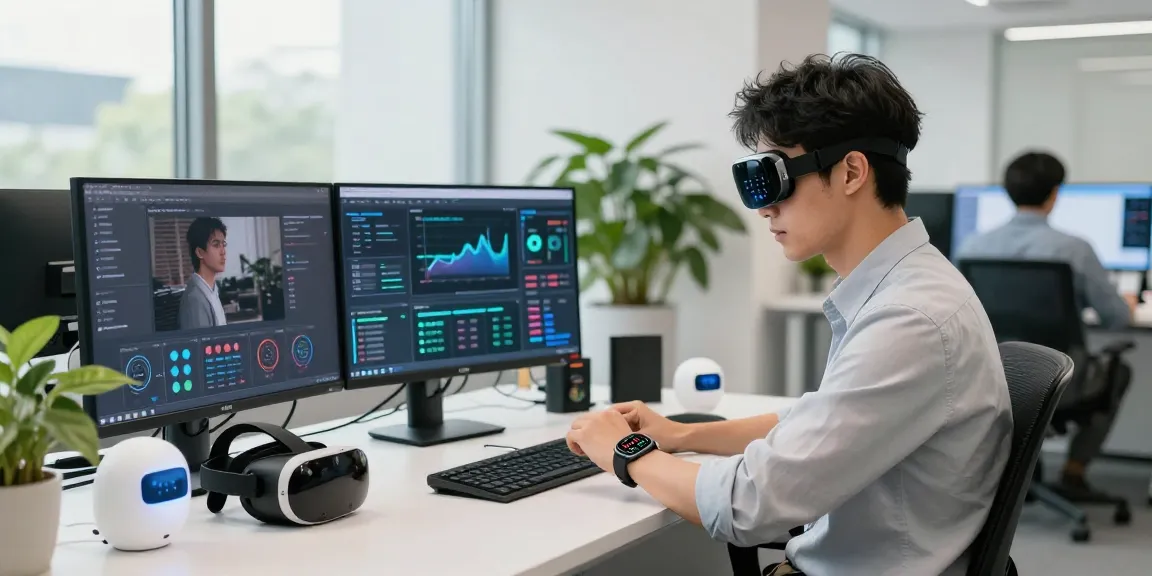
In the workplace, AI wearables are being embraced as tools to enhance productivity. These devices can monitor vital signs, prompting reminders for breaks, or suggesting exercises to alleviate stress. Additionally, AI wearables can track work hours and productivity levels, providing managers with insights on employee performance and wellness.
Top AI Wearables for Professionals in 2026
For professionals seeking to integrate AI wearables in their workflow, some top choices include:
- Apple Watch Series 8: Offers advanced health tracking features and seamless integration with iOS devices.
- Fitbit Charge 6: Provides fitness tracking with detailed analytics and a focus on user health.
- Oura Ring: A discreet yet powerful tool for monitoring sleep patterns, activity levels, and overall wellness.
- Google Glass Enterprise Edition: Focused on augmented reality applications in professional settings.
Overcoming Productivity Barriers with Technology
The use of AI wearables can help address common productivity barriers. By receiving notifications directly on their smartwatch, users can minimize distractions from smartphones. Furthermore, productivity-boosting features such as guided meditation or exercise reminders can foster a healthier work-life balance.
Future Innovations in AI Wearables
Emerging Technologies Shaping the Next Wave
As we look to the future, emerging technologies such as machine learning and advanced biotechnology are set to redefine AI wearables. Innovations like biometric feedback systems that adjust based on real-time data will enhance user experience. Additionally, wearable devices will likely incorporate voice assistants to facilitate hands-free control.
Consumer Expectations for AI Wearable Devices
Consumers expect AI wearables to offer a blend of functionality, style, and user-friendliness. The trend is moving towards wearables that not only perform tasks but also look good and fit into daily life seamlessly. Furthermore, enhanced battery life and improved accuracy are top priorities for users in 2026.
Expert Predictions for 2027 and Beyond
Experts anticipate that by 2027, AI wearables will integrate more deeply with healthcare systems, potentially revolutionizing patient monitoring and care management. As technology advances, users may experience a more connected ecosystem where data from wearables is readily available to healthcare providers, enabling proactive health management and personalized medicine.
FAQs About AI Wearables
What are the best AI wearables to buy right now?
The best AI wearables include devices tailored to your specific needs, such as the Apple Watch for general fitness tracking or the Fitbit Charge for specific health metrics. Additionally, the Oura Ring is highly regarded for sleep quality tracking.
How do AI wearables integrate with other devices?
AI wearables typically connect with smartphones via Bluetooth or Wi-Fi, allowing for synchronization of data and notifications. Many wearables also integrate with health apps that compile user data for easy access.
Are there privacy concerns with AI wearables?
Yes, privacy concerns are significant, especially regarding how personal health data is handled by manufacturers. Users should always review privacy policies and understand how their data may be used and shared.
How can AI wearables improve fitness routines?
AI wearables can enhance fitness routines by providing real-time feedback and personalized recommendations. They track metrics such as heart rate and calories burned, allowing users to adjust their efforts accordingly for optimal results.
What features should I look for in an AI wearable?
When choosing an AI wearable, consider features such as battery life, compatibility with other devices, health monitoring capabilities, and the quality of the user interface. Look for wearables that offer the specific metrics and functionalities that align with your lifestyle and health goals.